

What is IoT?
09-04-2026 26
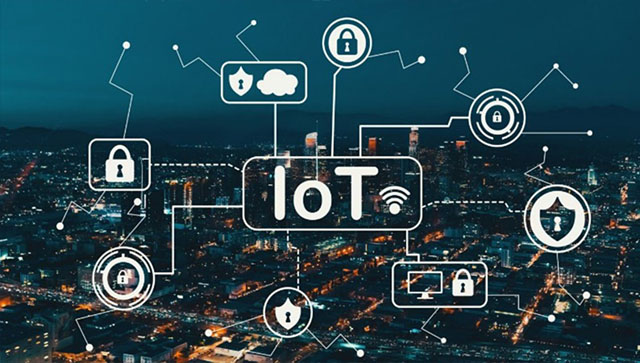
IoT = Devices + Sensors + Connectivity + Intelligence. It’s a vast network where everything is equipped with sensors to collect data, which is then sent to a central hub for processing.
1. The Essence of IoT Technology
What is IoT (Internet of Things)?
Practical Nature:
- Hardware Evolution: From primitive RFID tags in the 90s, today we have ultra-small microchips with low power consumption but immense processing power.
- Invisible Computing: IoT turns ordinary objects like light bulbs, vacuum cleaners, or collaborative robots (Cobots) into part of a centralized control system, allowing remote operation via the Internet.
2. How Does an IoT Ecosystem Operate?
- Smart Devices: Robots, sensors, or cameras collect raw data from the environment (temperature, humidity, images) and respond based on instruction sets.
- IoT Applications: The "brain" located in the cloud uses Artificial Intelligence and Machine Learning to analyze Big Data to make precise operational decisions in real-time.
- User Interface: Dashboards and mobile applications help managers monitor and command the robotic system with just one touch.
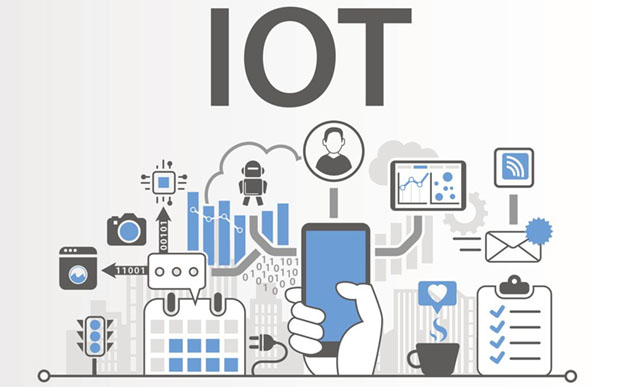
IoT Operations in Smart Factories:
-
Data Collection
+ Temperature, pressure, and vibration sensors: Monitor the "health" of machinery.
+ Position & proximity sensors: Help robots identify items on conveyors.
+ Optical sensors (Vision): Inspect product defects or automate barcode scanning.
-
Data Transmission
Raw data from devices needs to be "digitalized" and sent within the industrial environment:
+ Industrial Networks: Ethernet/IP, WiFi 6, or private 5G networks to ensure high speed and low latency.
+ Industrial Gateways: Act as transit stations, aggregating data from thousands of sensors to push to the central management system or the Cloud.
-
Analysis & Decision Making
Once data reaches the Cloud or the Manufacturing Execution System (MES):
+ Real-time analysis: Software checks if machinery is operating within correct parameters.
+ Automated response: If a sensor reports overheating, the IoT system automatically commands a speed reduction or stop to protect the equipment without human intervention.
+ AI/Machine Learning applications: Predict when components are about to fail to schedule maintenance (Predictive Maintenance), ensuring the factory never stops unexpectedly.
-
Management & Monitoring
All factory activities are visually displayed through Dashboards:
+ Remote Management: Managers can track performance (OEE), output, and machinery status via Smartphone or Computer from anywhere.
+ Two-way interaction: From this interface, operators can adjust production parameters (such as strapping tension or packaging speed), and commands are sent back for immediate execution by the devices.
3. Industrial IoT (IIoT) & Robotics: The Perfect Pair in Manufacturing
Smart Manufacturing & Robots
Logistics & Automated Warehousing
Automotive Industry
4. Strategic Benefits for Robotics Businesses
-
Cost Optimization: Automatically turning off devices when not in use and reducing direct labor costs.
-
Accelerated Innovation: User behavior data collected via IoT helps improve robot features to better suit practical needs.
-
Security & Safety: 24/7 infrastructure monitoring and automatic Firmware updates to prevent security vulnerabilities.
-
Personalized Experience: Robots can learn owner habits or specific processes of each factory to work more efficiently.
5. Fundamental Technologies Supporting IoT
Artificial Intelligence (AI) – The "Brain"
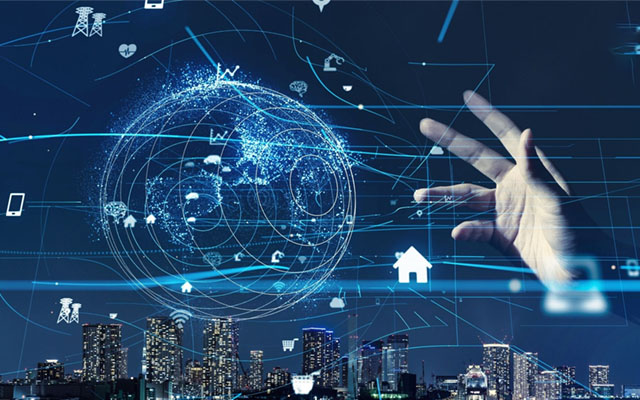
If IoT is the sensory nervous system, then AI is the decision-making brain, creating the concept of AIoT:
- From Data to Value: AI processes massive volumes of data (temperature, vibration, behavior) to find patterns.
- Predictive Maintenance: Instead of waiting for a machine to break to fix it, AI analyzes the smallest signs to warn of incidents beforehand.
- Intelligent Automation: The system self-learns (Machine Learning) to optimize performance without human intervention.
5G Network – The High-Speed "Bloodstream"
+ Speed & Latency: 100 times faster than 4G with near-zero latency (milliseconds), a prerequisite for remote-controlled autonomous vehicles.
+ Massive Connection Density: Allows millions of devices per $km^2$ to operate simultaneously without network congestion.
+ Application: Becomes the foundation for Smart Cities and Smart Factories where tens of thousands of sensors need continuous communication.
Cloud Computing – The Infinite "Storage"
+ Data Centralization: A convergence point for data from billions of devices worldwide for Big Data analysis.
+ Flexibility: Businesses can scale their systems immediately without investing in expensive physical servers.
+ Remote Management: Allows access, monitoring, and control of devices via Dashboard or API anywhere there is Internet.
Edge Computing – Local "Reflexes"
+ Speed Optimization: Instant response in emergency situations (such as a robot stopping when it detects an obstacle).
+ Bandwidth Saving: Only sends the most important data to the center, reducing network load.
+ Local Security: Sensitive data is processed locally, limiting the risk of leaks during long-distance transmission.
5. Blockchain – The Security & Trust "Armor"
+ Decentralization: Removes dependence on a central server, making the system difficult to collapse from attacks.
+ Transparency & Immutability: Every transaction or data point recorded on the Blockchain cannot be edited or deleted, helping prevent supply chain fraud.
+ Smart Contracts: Automate authentication processes between IoT devices safely and transparently.
IoT is no longer the technology of the future; it is the mandatory standard of the present. Owning IoT-integrated robotic lines is the key for your business to surge ahead in the digital transformation race.
